
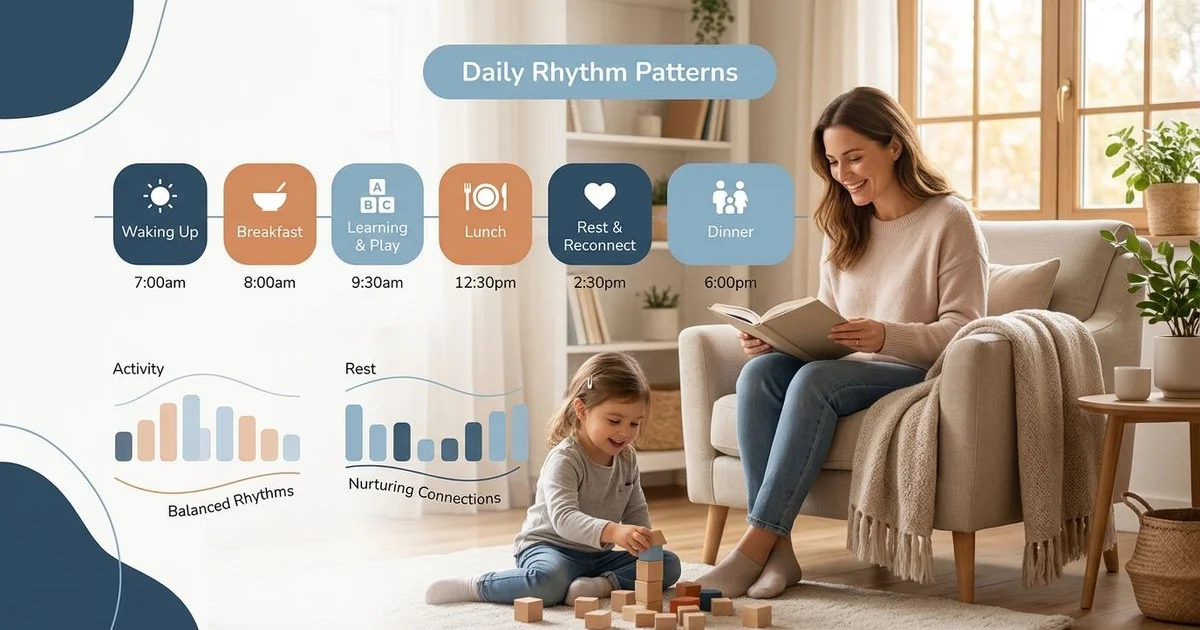
We know the goal for most homeowners and business owners is to help aging parents or residents stay safely in their environments as long as possible. This approach provides comfort and preserves independence.
According to a 2026 Canadian Institute for Health Information report, 90% of Canadian seniors want to age at home.
Our professional service team recognizes that achieving this requires understanding their normal routines before a crisis occurs. Catching subtle behavioral shifts early is the key to preventing emergencies.
In the field of daily activity trends senior care, monitoring gives families the tools to spot these early warning signs.
Let’s look at the data behind these patterns and explore how you can respond effectively.
What “ADL Baseline” Actually Means
We define an Activities of Daily Living (ADL) baseline as the routine pattern of a person’s sleep, bathroom visits, meals, and daily movement. Implementing activities of daily living monitoring elderly solutions helps establish a normal rhythm so you can spot crucial deviations. Over a third of Canadian older adults fall each year, and 61% of those falls occur simply while walking around the house.
Our systems look for a few core patterns to establish this baseline:
- Usual sleep length and wake times.
- Nightly restlessness and breathing rhythms.
- Standard frequency of bathroom visits.
- Typical morning movement around the home.
The Kinpanion sleep pad and the broader sleep & wellness trends layer build a baseline of those rhythms over the first week or two. A continuous 14-day tracking period reduces false alarms by establishing what is genuinely normal for that specific individual. This long-term tracking catches subtle shifts before a fall happens.
We often integrate tools like the Sentinare 2 Smart Sensor alongside these sleep pads. This combination provides activity detection while protecting privacy. Caregivers gain insight without using intrusive cameras.
Our approach ensures none of this is treated as a formal diagnosis. All of it provides calm, gentle insight you can choose what to do with.
What Patterns Can Hint At, Honestly
We look at activity trends to find early hints of discomfort, medication side effects, or infections like a UTI. Sleep length and quality changes can signal these shifts, though they can also mean nothing at all. The pattern is simply worth a calm look rather than an immediate verdict.
Increased bathroom frequency is a classic urinary tract infection signal in older adults. UTIs in seniors frequently present as behavioral changes long before urinary symptoms appear. A 2024 University of Alberta Hospital study revealed that over 43% of older patients with a confirmed UTI had no documented urinary symptoms.
Common Activity Shifts and Potential Causes
Our team recommends tracking bathroom trips because this behavioral data is often more reliable than waiting for a complaint. Choosing Wisely Canada guidelines even advise against relying solely on traditional urinalysis for older adults. Tracking these habits offers a safer early warning system.
We find that pairing the right data with clinical context is essential. Here is a quick breakdown of what certain deviations might mean.
| Activity Deviation | Common Benign Cause | Potential Health Concern |
|---|---|---|
| Increased nighttime bathroom visits | Drinking too much water before bed | Early stages of a UTI |
| Restless sleep or waking frequently | Reading a good book late into the night | Medication side effects or pain |
| Quieter morning routines | A simple low-energy day | An unreported minor fall |
Our clients often wonder why a resident might have a quieter morning than usual. This inactivity can hint at a low-energy day, a poor night’s sleep, or a small fall the parent did not mention. Up to 50% of seniors fail to report minor falls due to a fear of losing their independence.
We know that combining sleep trends with falls and inactivity coverage makes the whole picture useful. A single signal alone is rarely enough. For the bright line between wellness trends and safety alerts, see what sleep and vitals trends can and can’t tell you.
Calm Insight, Not a Clinical Tool
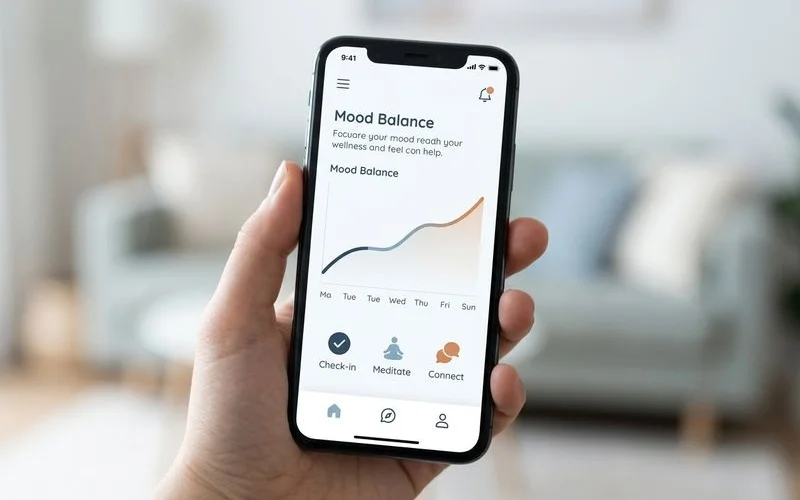
We deliberately built the wellness side of Kinpanion to be calm and free of scary diagnostic scores. The app shows gentle patterns like sleep length and breathing rhythm that build a picture over weeks rather than minutes. Aggressive wellness dashboards lead to over-action, causing families to call the doctor every other day because a single number turned yellow.
“Aggressive wellness dashboards lead to over-action. Calm dashboards lead to better action and more specific conversations with the care team.”
Our design philosophy prevents this stressful reaction. Studies show that high false alarm rates cause alert fatigue among caregivers. People simply start ignoring the system if it cries wolf too often.
We focus on long-term trends to eliminate this fatigue. The National Research Council Canada’s Aging in Place Challenge emphasizes integrating health monitoring to support independence gently. Technology should inform care teams, not replace human judgment.
Making the Most of Your Monitoring Data
Our tools give families a slightly better picture of how a resident is doing generally. This is insight, not a diagnosis. Keep these best practices in mind to get the most value from your setup:
- Review trends weekly rather than daily.
- Look for consistent multi-day deviations.
- Share clear, 14-day patterns with your healthcare provider.
- Avoid panicking over a single restless night.
Conclusion: Using Insight to Improve Care
We believe that adopting a measured approach to health tracking changes everything for caregivers. The goal is always to improve the quality of life for your loved ones or residents. Focusing on long-term daily activity trends senior care provides clarity without the constant stress of false alarms.
Our team encourages you to start small and focus on building a reliable adl baseline seniors can rely on. Take the time to understand their normal rhythms first.
Review your current monitoring setup today and ensure it prioritizes calm, actionable data over aggressive alerts.